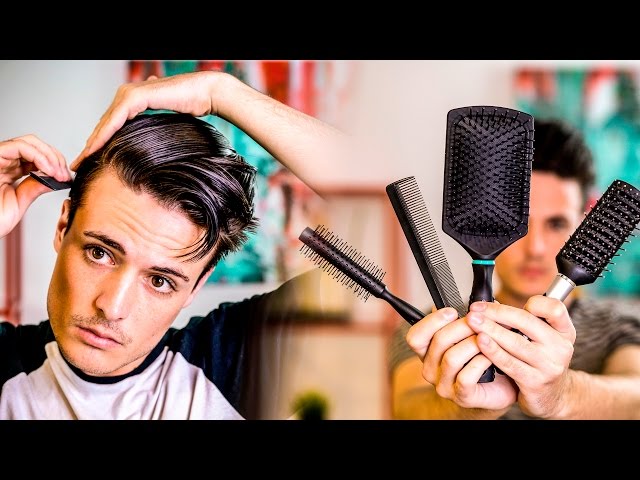
A men hair brush is a grooming tool specifically designed for men's hair, featuring a sturdy construction and bristles tailored to effectively detangle, style, and distribute natural oils through the hair. One common type is the military-style hair brush, renowned for its durability and ability to manage thick, coarse hair with ease.
Men hair brushes play a crucial role in maintaining healthy hair by promoting scalp circulation, reducing breakage, and enhancing hair texture. Historically, barber shops have relied on high-quality men hair brushes to provide professional grooming services, shaping the industry's standards.
In this article, we will explore the various types of men hair brushes available, their unique features, and how to select the best brush for your specific hair type and styling needs, empowering you to achieve salon-quality results at home.
Men Hair Brush
The essential aspects of men's hair brushes are indispensable for maintaining healthy, well-groomed hair. These key considerations include:
- Bristle Type
- Brush Shape
- Handle Design
- Material Quality
- Hair Type
- Styling Needs
Bristle type influences detangling and styling effectiveness, with natural bristles being gentle and suitable for all hair types, while nylon bristles are more durable and ideal for thick, coarse hair. Brush shape determines ease of handling and suitability for different hair lengths and styles. Handle design affects comfort and grip, especially during extended use. Material quality ensures durability and longevity, with wood, metal, and plastic being common choices. Hair type dictates bristle stiffness and brush size, with softer bristles and smaller brushes being suitable for fine hair, while stiffer bristles and larger brushes work well for thick hair. Styling needs determine brush shape and bristle arrangement, with round brushes being ideal for blow-drying and styling, while flat brushes are better for smoothing and detangling.
Bristle Type
Bristle type plays a crucial role in determining the effectiveness and suitability of a men's hair brush, influencing factors such as detangling ability, styling potential, and hair type compatibility.
-
Natural Bristles:
Made from animal hair, natural bristles are soft and gentle, distributing natural oils evenly throughout the hair. Ideal for all hair types, they promote healthy hair and prevent breakage.
-
Nylon Bristles:
Synthetic nylon bristles are more durable and heat-resistant than natural bristles, making them suitable for thicker, coarser hair. They are often used in brushes designed for detangling and blow-drying.
-
Boar Bristles:
As a natural material, boar bristles resemble human hair in structure, effectively distributing scalp oils and promoting hair growth. They are particularly beneficial for medium to thick hair types.
-
Mixed Bristles:
Hybrid brushes combine natural and synthetic bristles, offering a balance of softness and durability. They are versatile and suitable for a wide range of hair types and styling needs.
Choosing the right bristle type for your men's hair brush is essential for maintaining healthy, well-groomed hair. Consider your hair type, styling habits, and desired results when making your selection.
Brush Shape
Brush shape is a crucial aspect of men's hair brushes, influencing factors such as handling comfort, styling capabilities, and suitability for different hair lengths and styles.
-
Round Brushes:
Round brushes are designed with a cylindrical shape, making them ideal for blow-drying and styling. They create volume and shape, and are particularly effective for short to medium hair.
-
Flat Brushes:
Flat brushes have a rectangular or oval shape and are suitable for detangling, smoothing, and distributing natural oils. They are versatile and can be used on all hair lengths.
-
Paddle Brushes:
Paddle brushes feature a large, flat surface area, making them efficient for detangling and smoothing long, thick hair. They minimize breakage and promote healthy hair.
-
Vented Brushes:
Vented brushes have holes or channels in the brush head, allowing for better airflow and faster drying time. They are ideal for blow-drying and reducing heat damage.
Choosing the right brush shape for your men's hair brush depends on your hair type, styling needs, and desired results. Consider these factors when making your selection to achieve optimal hair care and styling outcomes.
Handle Design
Handle design plays a crucial role in the functionality and user experience of men's hair brushes. A well-designed handle provides a comfortable and secure grip, reducing hand fatigue during extended use. It also affects the balance and control of the brush, influencing styling precision and efficiency. Ergonomic handles are specifically engineered to fit comfortably in the hand, minimizing strain and promoting healthy posture while brushing.
The materials used in handle construction also impact durability and longevity. Wooden handles offer a classic and stylish look, while metal handles provide durability and a sturdy feel. Plastic handles are lightweight and cost-effective, making them a popular choice for everyday use. The size and shape of the handle should complement the size and shape of the brush head, ensuring a balanced and easy-to-use tool.
In practical terms, a well-designed handle allows for effortless detangling, precise styling, and comfortable handling. It enhances the overall grooming experience, making it more enjoyable and efficient. By considering factors such as ergonomics, materials, and size, manufacturers can create men's hair brushes that are not only effective but also a pleasure to use.
Material Quality
In the realm of men's hair brushes, material quality holds paramount importance, influencing durability, functionality, and overall grooming experience. Various aspects contribute to the quality of a hair brush, including the materials used for the bristles, the handle, and the construction as a whole.
-
Bristle Material:
Bristles can be made from natural materials like boar hair or nylon. Boar hair is gentle and distributes natural oils, while nylon is durable and heat-resistant.
-
Handle Material:
Handles can be made from wood, metal, or plastic. Wood offers a classic look, metal provides durability, and plastic is lightweight and affordable.
-
Construction Quality:
Overall construction quality determines the brush's longevity and resilience. Sturdy construction ensures the brush can withstand regular use and maintain its shape over time.
-
Manufacturing Standards:
Reputable brands adhere to high manufacturing standards, ensuring the brush is well-made and free from defects, providing a reliable and consistent grooming experience.
Choosing a men's hair brush with high-quality materials ensures a durable, effective, and enjoyable grooming experience. By considering factors such as bristle type, handle material, construction quality, and manufacturing standards, individuals can select a brush that meets their specific needs and preferences, supporting healthy hair and a polished appearance.
Hair Type
Hair type plays a crucial role in selecting the most suitable men's hair brush. Different hair types have unique characteristics that require specific brush features for effective grooming and styling. Understanding your hair type will guide you towards the ideal brush for your needs.
-
Thickness:
Hair thickness refers to the diameter of individual hair strands. Fine hair requires soft, densely packed bristles to avoid breakage, while thick hair can handle firmer bristles spaced further apart.
-
Texture:
Hair texture describes the surface feel and appearance of hair. Straight hair benefits from brushes that distribute natural oils evenly, while curly or coily hair needs brushes that detangle without causing frizz.
-
Density:
Hair density refers to the number of hair strands on the scalp. Brushes with a larger surface area are suitable for thick hair, while smaller brushes work better for fine or thinning hair.
-
Scalp Sensitivity:
Some individuals have sensitive scalps that require gentle brushes with soft bristles to avoid irritation. Natural bristles are often preferred in such cases.
Considering these hair type-specific factors ensures that you choose a men's hair brush that effectively addresses your grooming needs, promotes healthy hair growth, and enhances your overall styling experience.
Styling Needs
Styling needs play a pivotal role in determining the ideal men's hair brush, as different hairstyles and grooming preferences necessitate specific brush features. Understanding your styling needs ensures that you choose a brush that effectively addresses your desired look and hair type, promoting healthy hair growth and enhancing your overall styling experience.
For instance, if you frequently blow-dry your hair, a vented brush with heat-resistant bristles is essential for faster drying and reducing heat damage. Round brushes, on the other hand, are ideal for creating volume and shaping during blowouts. For those with curly or coily hair, detangling brushes with widely spaced, flexible bristles help minimize breakage and define curls without causing frizz.
The practical applications of this understanding extend beyond personal grooming. Professional barbers and hairstylists rely on a range of hair brushes to accommodate diverse styling needs. By choosing the right brush for each client's hair type and desired style, they can achieve optimal results and maintain healthy hair. This understanding also empowers individuals to make informed decisions when selecting a men's hair brush, ensuring they have the right tool for their specific styling needs.
Frequently Asked Questions about Men's Hair Brushes
This section addresses frequently asked questions to clarify aspects of men's hair brushes, their usage, and their benefits for hair care and styling.
Question 1: What is the primary purpose of a men's hair brush?Men's hair brushes are designed to effectively detangle, style, and distribute natural oils throughout the hair, promoting healthy hair growth and enhancing styling outcomes.
Question 2: What are the different types of bristles used in men's hair brushes?Common bristle types include natural bristles (gentle for all hair types), nylon bristles (durable for thick hair), boar bristles (resembling human hair for healthy hair), and mixed bristles (combining natural and synthetic bristles for versatility).
Question 3: How does brush shape impact its functionality?Round brushes are ideal for blow-drying and styling, flat brushes for detangling and smoothing, paddle brushes for long, thick hair, and vented brushes for faster drying and reduced heat damage.
Question 4: What factors should be considered when choosing a men's hair brush?Key factors include bristle type, brush shape, handle design, material quality, hair type, and styling needs, to ensure the brush aligns with individual hair care and styling requirements.
Question 5: How often should a men's hair brush be cleaned?Regular cleaning is crucial to maintain hygiene and prevent product buildup. Remove loose hair after each use and deep clean the brush every few weeks using a mild shampoo and warm water.
Question 6: What are the benefits of using a high-quality men's hair brush?High-quality brushes promote scalp circulation, reduce breakage, enhance hair texture, provide a more comfortable brushing experience, and contribute to overall hair health and appearance.
These FAQs provide valuable insights into the selection, use, and maintenance of men's hair brushes, empowering individuals to make informed decisions and achieve optimal hair care and styling results.
In the next section, we will delve into the specific features and benefits of different types of men's hair brushes, guiding readers towards the ideal brush for their hair type and styling needs.
Tips for Selecting and Using a Men's Hair Brush
This section provides actionable tips to guide you in selecting and using the right men's hair brush for your specific hair type and styling needs, ensuring optimal hair care and styling outcomes.
Tip 1: Determine Your Hair Type:
Identify your hair's thickness, texture, and density to select a brush with suitable bristle type and spacing.
Tip 2: Consider Your Styling Needs:
Choose a brush shape and bristle arrangement that align with your desired hairstyles, whether it's blowouts, curls, or detangling.
Tip 3: Prioritize Quality:
Invest in a well-made brush with durable materials to ensure longevity and effectiveness.
Tip 4: Choose the Right Bristle Type:
Select natural bristles for gentle detangling, nylon bristles for thick hair, boar bristles for hair growth, or mixed bristles for versatility.
Tip 5: Pay Attention to Handle Design:
Ensure the handle provides a comfortable and secure grip, reducing strain and enhancing control.
Tip 6: Clean Your Brush Regularly:
Remove loose hair after each use and deep clean the brush periodically to maintain hygiene and prevent product buildup.
Summary:
Following these tips will empower you to choose a men's hair brush that meets your specific hair care and styling needs. A high-quality brush promotes healthy hair, enhances styling outcomes, and provides a comfortable grooming experience.
Transition:
In the final section of this article, we will explore advanced techniques for using a men's hair brush to achieve professional-looking hairstyles at home.
Conclusion
This comprehensive exploration of men's hair brushes has provided valuable insights into their significance in hair care and styling. By understanding hair type, styling needs, and brush features, individuals can make informed choices to optimize their grooming routines.
Key takeaways include the importance of choosing the right bristle type for gentle detangling or effective styling, selecting a brush shape that aligns with desired hairstyles, and prioritizing quality for durability and effectiveness. Regular cleaning and maintenance are essential for hygiene and preserving brush performance.


No comments:
Post a Comment